
For PerfuseCell bioreactors
Good performing spargers are typically mounted horizontal under the lowest impeller or straight down vertical oriented. Sparger material is utmost important for the created gas bubble release. Sparger fabricated preferable a E-beam tolerant material for low contact angle which is good wettability.
|
Designation according to ISO 4793-80 |
Glass frit pore size in µm |
Availability |
|
P 100 or Por. 2 |
40 - 100 |
in stock |
|
P 40 or Por. 3 |
16 - 40 |
in stock |
|
P 16 or Por. 4 |
10 - 16 |
in stock |
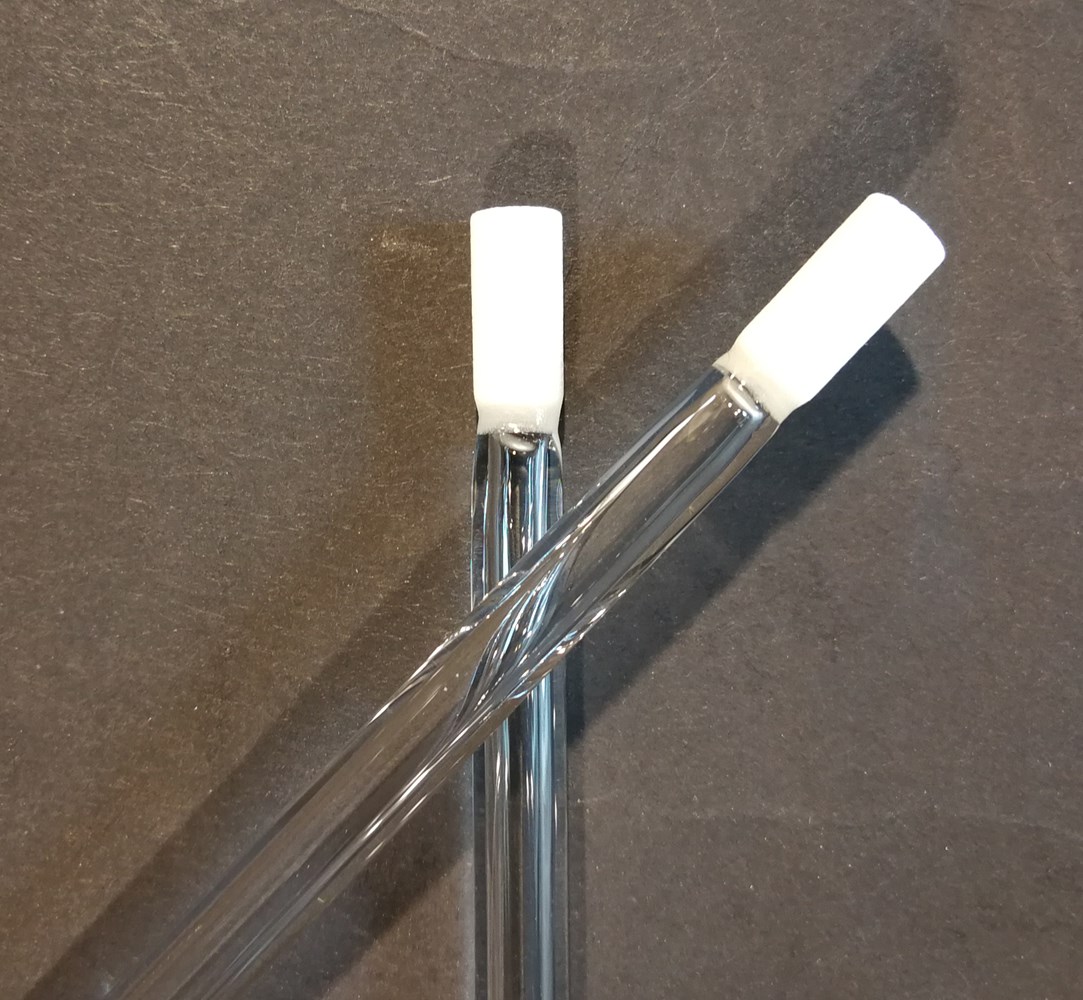
The here shown, described micro porous glass frit bodies have an OD 6 mm x 10 mm length. Max gas pressure of 100 mBar and less than 1 nlm gives micro bubbles. Depending on cell line some surface growth can be found on the frit.
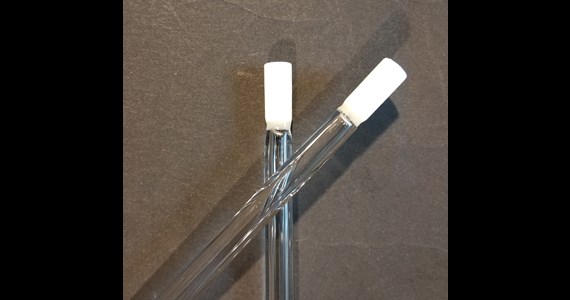
Glass micro sparger on glass tube
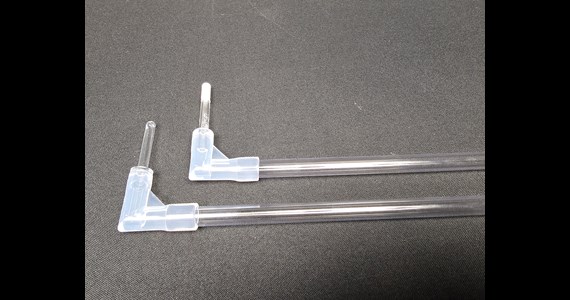
Drilled hole and 40 ym pore
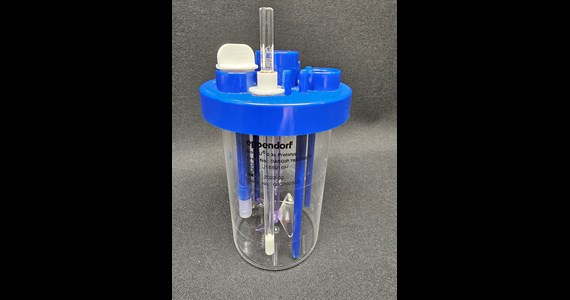
2026-AUG glass frit test install vertical
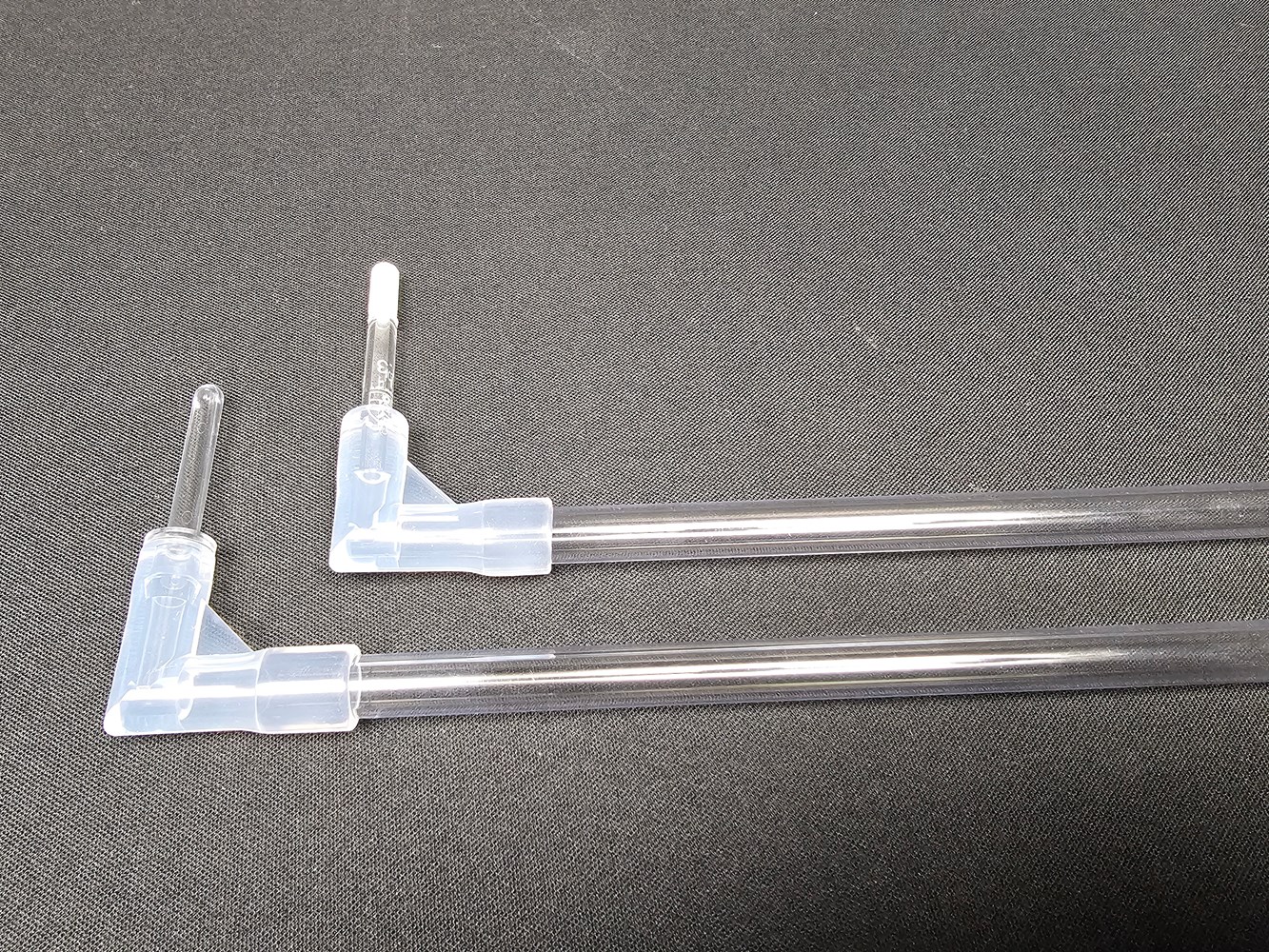
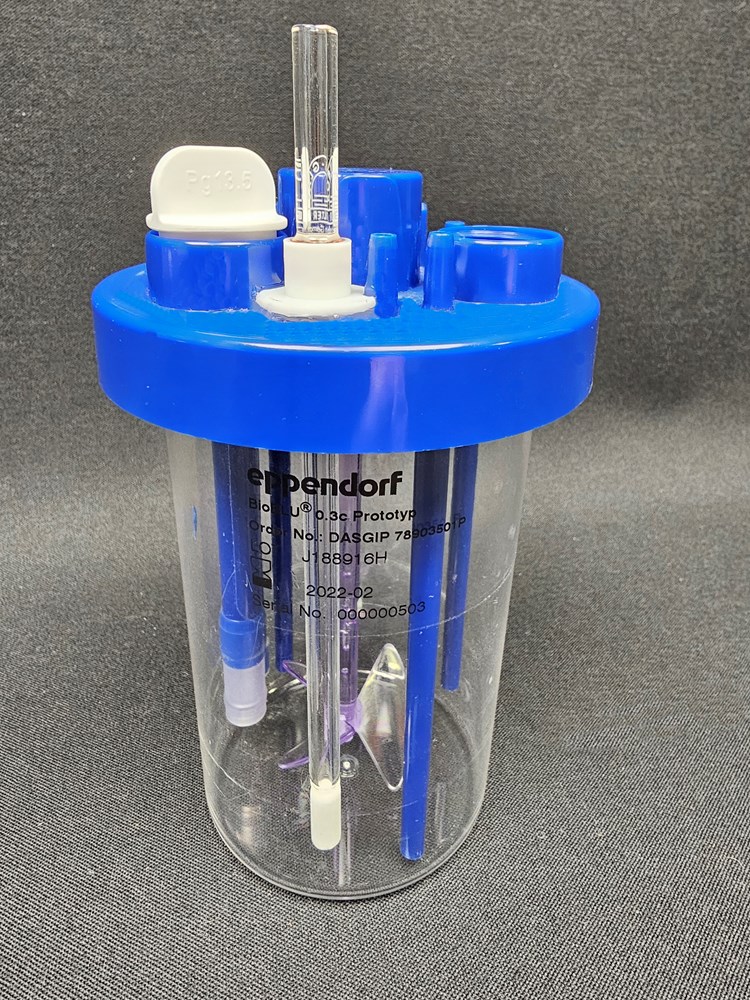
Examples of OD 6 x10 mm glass frits. Center photo show a drilled hole PC body and glass frit body both kept tight and in place by a silicone body. Example of a BioBLU 0.3 equipped with a glass frit sparger replacing the standard one hole sparger deep tube for increased bio mass.
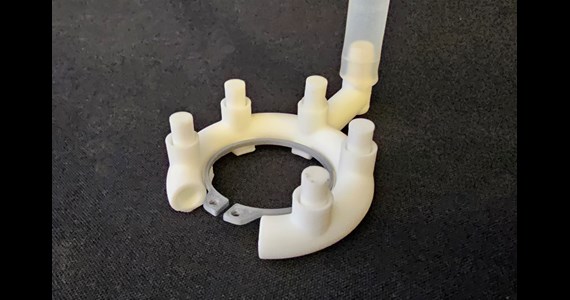
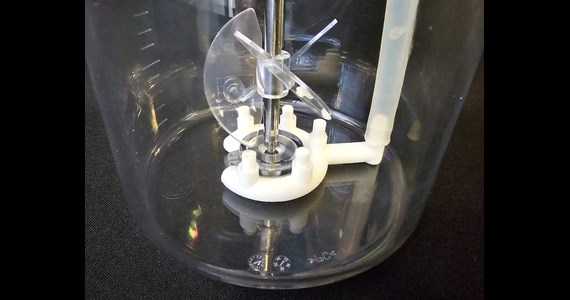
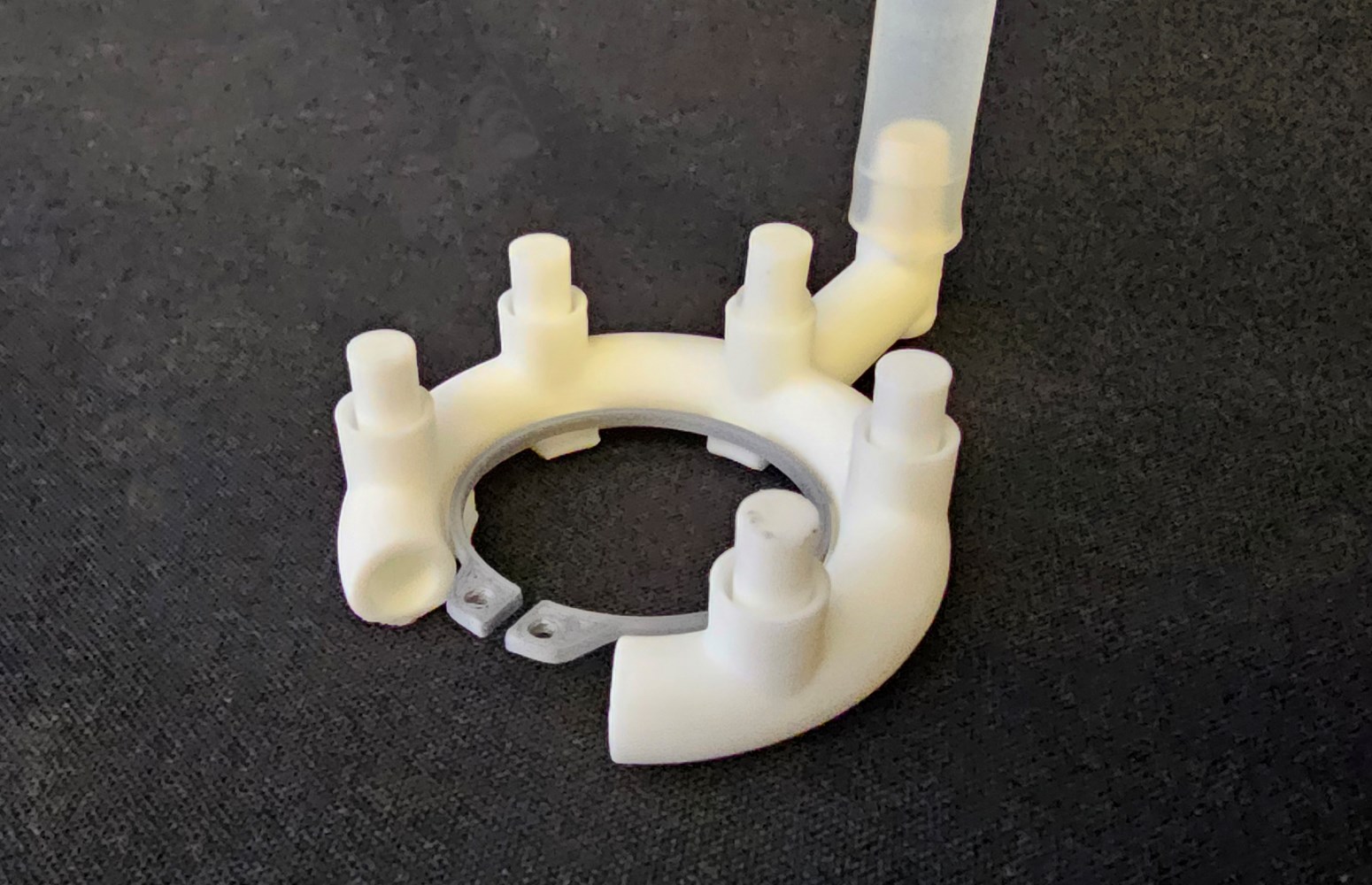
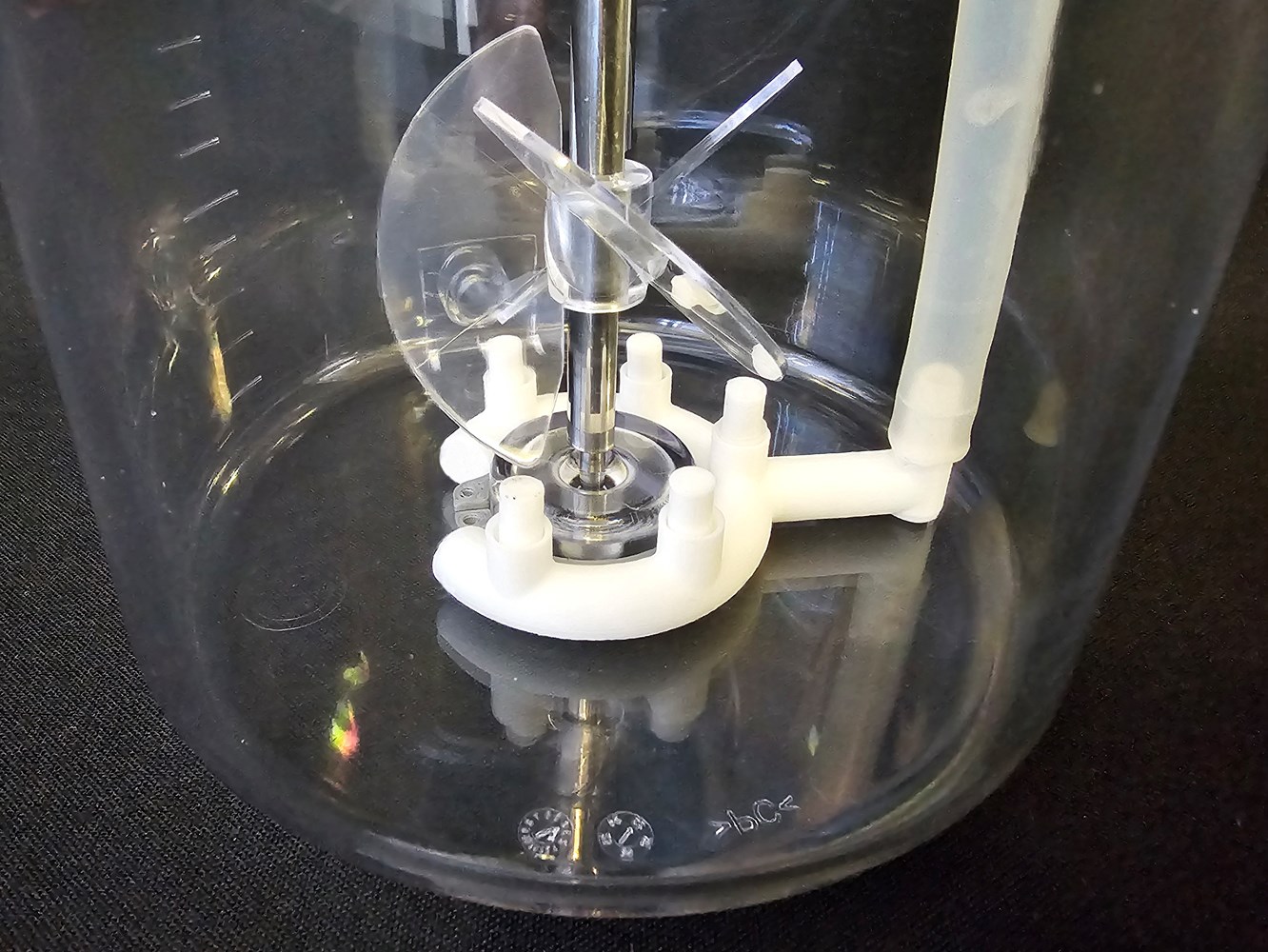
2026 sparger body developments. Examples show multiple glass frit attached vertically to the horizontal gas distribution ring surrounding the 3 and 13 liter P-SUBs central bearing body. Surface area and pore size can be chosen as to the table above. Good experience is obtained with P40 frit for batch and perfusion applications reaching 150 mio/cells/ml.
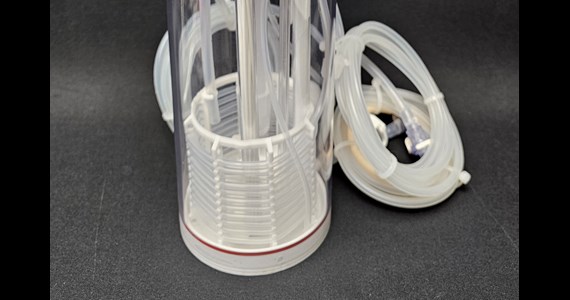
Membrane diffusion air into SUB
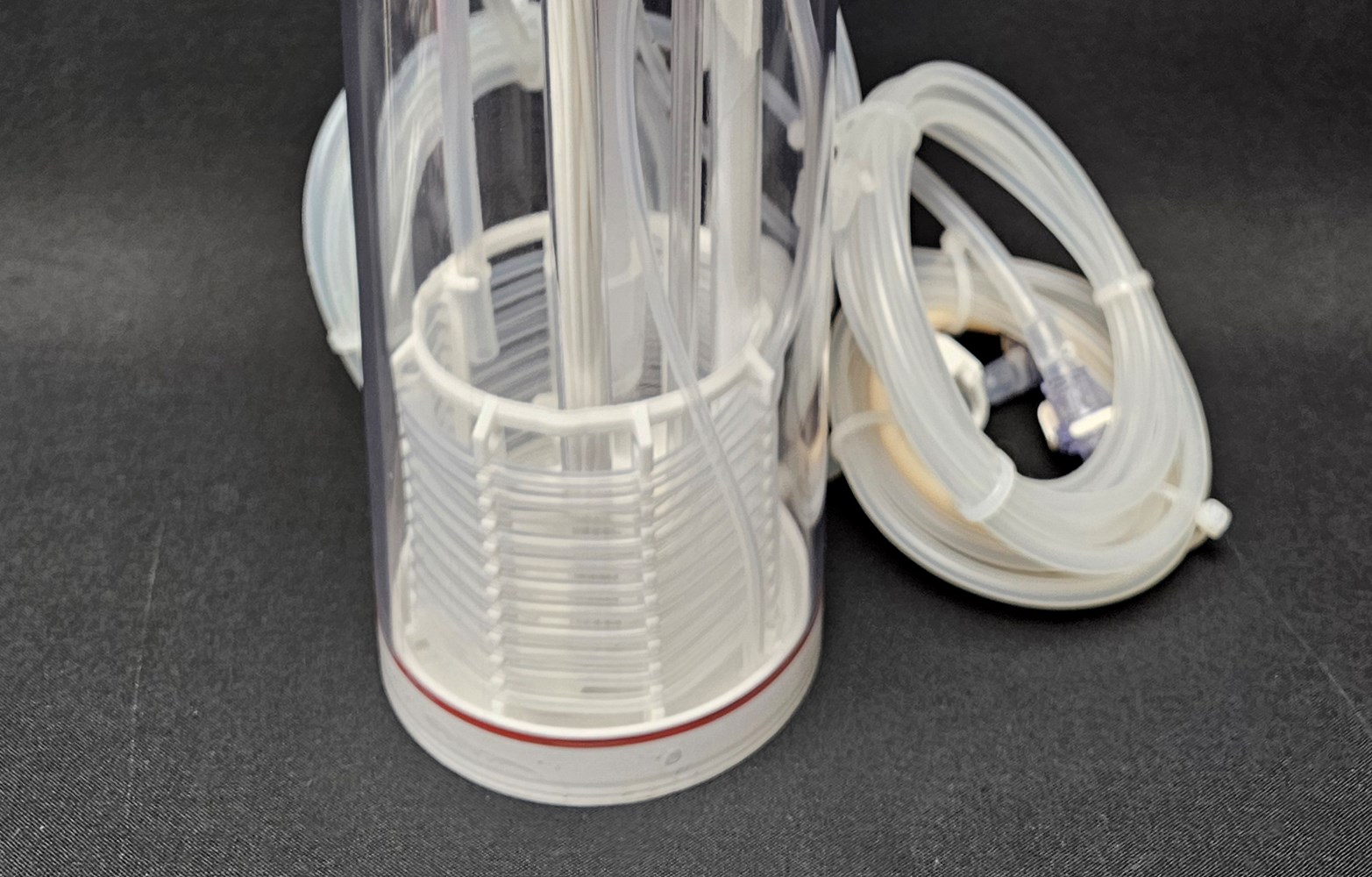
Diffusion a gas into a liquid avoiding the bubble phase requires a membrane with nano size pores. Such as a silicone hose here shown 3 meter rolled around a cage inside a OD110 mm 2 liter P-SUB
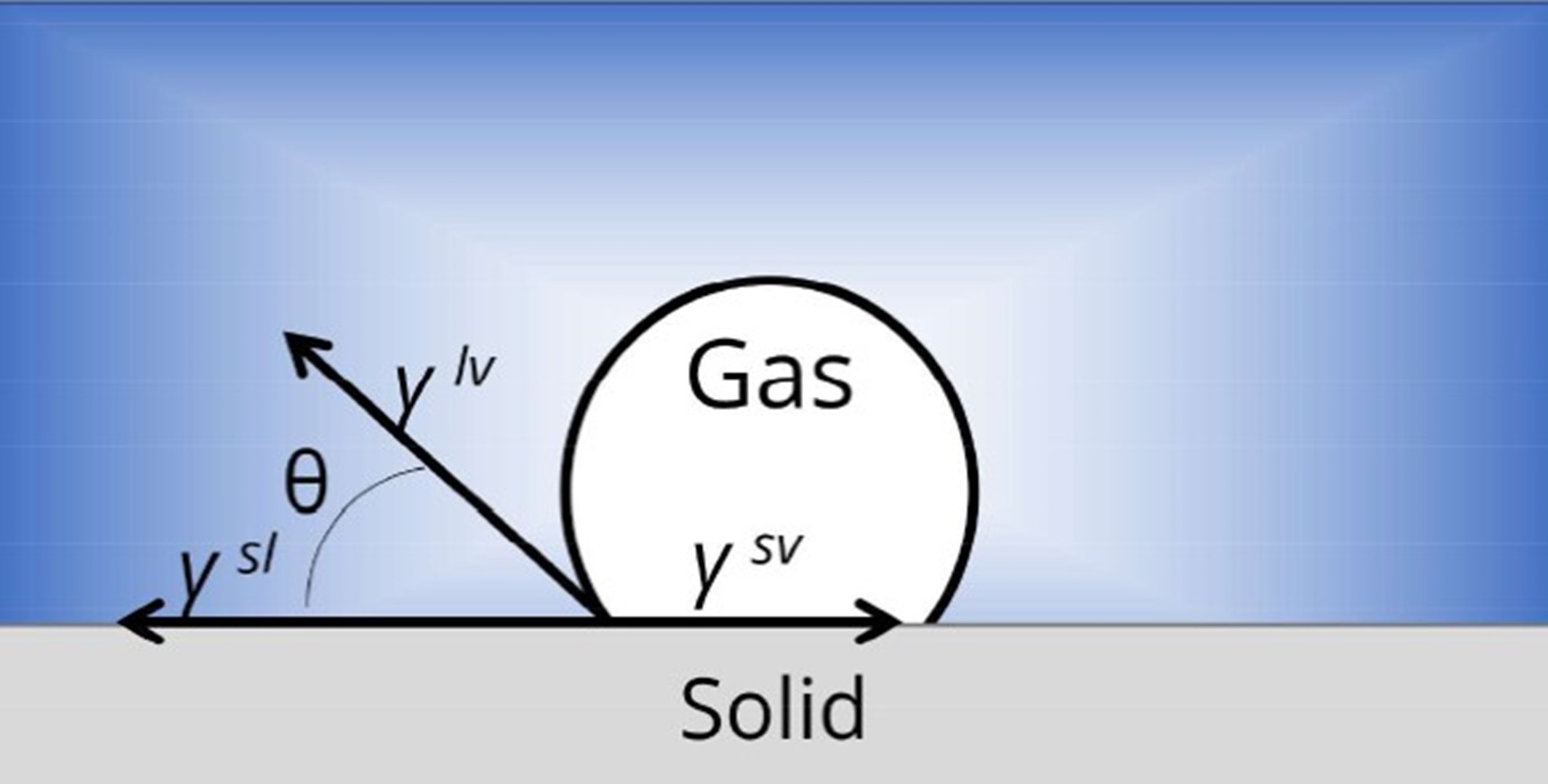
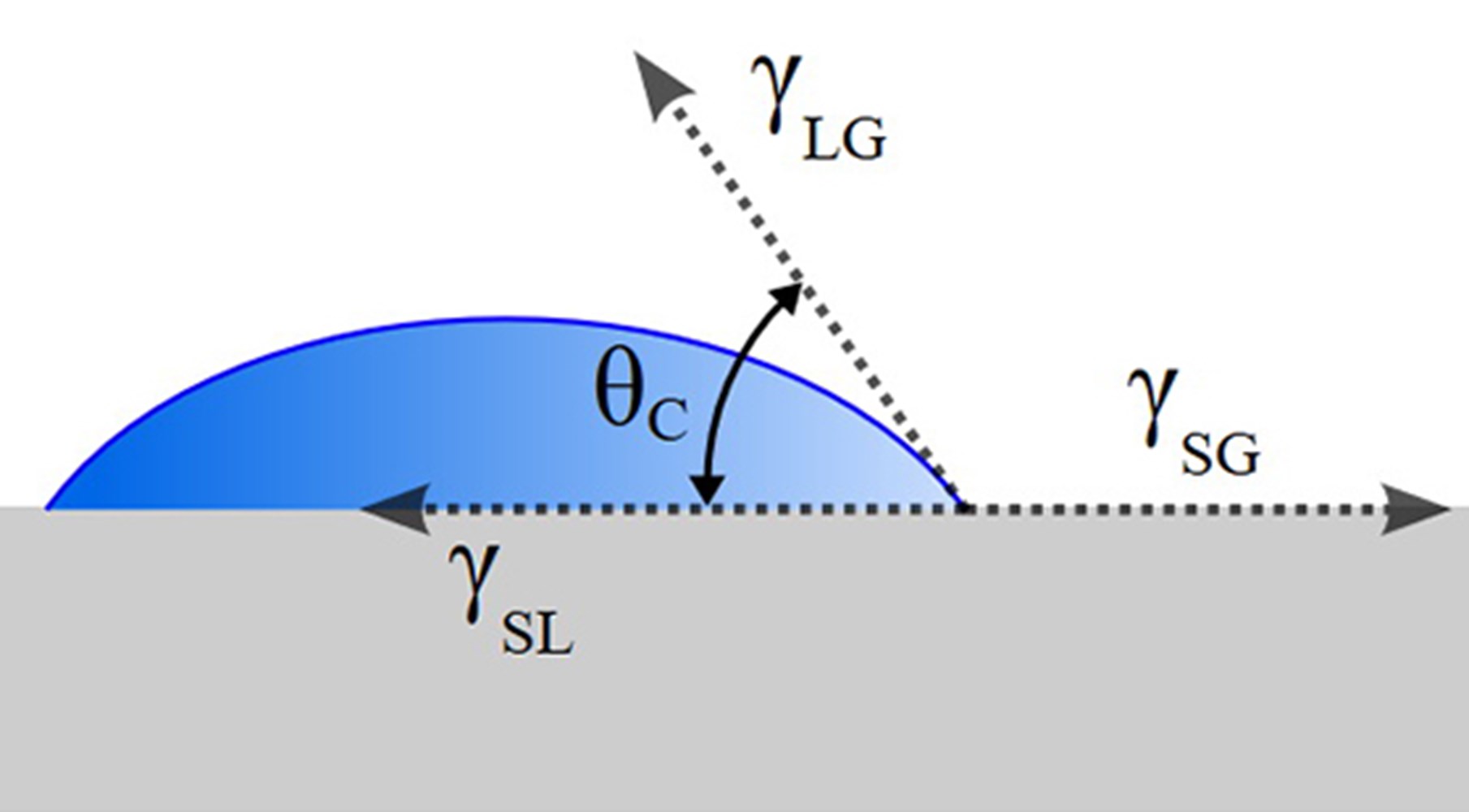
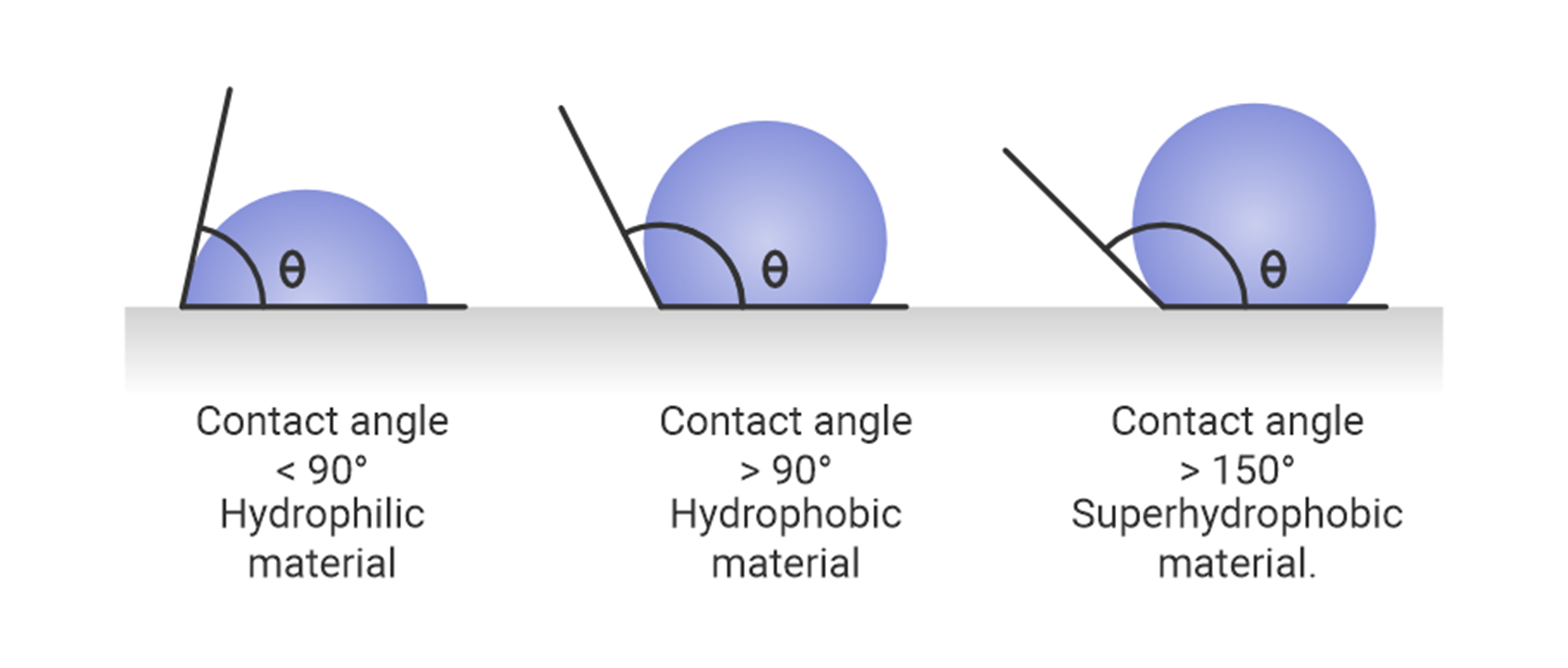
Its important to pay attention to the "contact angle" of the materials chosen. Where Polyethylene plastics is higher than 90° and metals and glass are below 90°. Which in practice means the air bubble have difficulties in releasing them from the plastic surface and grow many times in size.
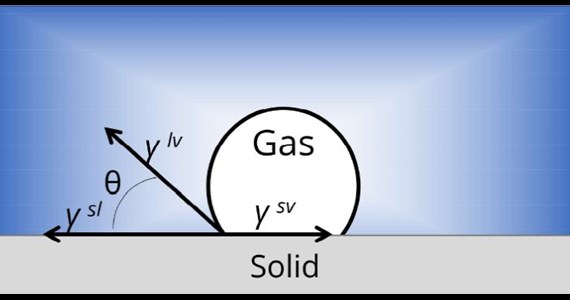
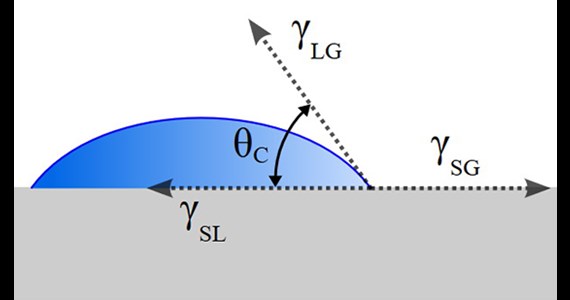
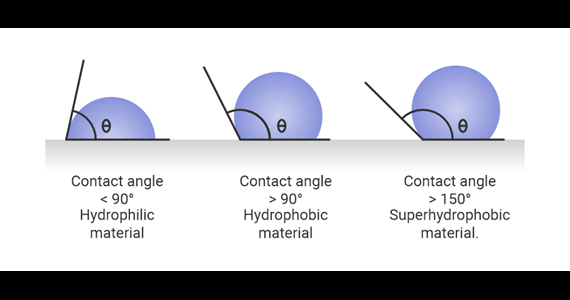
Aeration principles
Dissolved oxygen is important in cultivations. Since oxygen is sparingly soluble in water, it may be the growth-limiting factor in these bioreactors. The solubility of oxygen in culture media is ~6.6 µg/mL at 37°C when exposed for a 5% CO2 / 5% air gas mixture. The typical Oxygen Uptake Rate for mammalian cells are between 3x10⁻¹⁰ and 2x10⁻⁸ mg/cell/hour. For optimum growth it is therefore important to maintain the dO2 above this critical level by aeration. Of course, to be effective, the mass transfer rate from the gas bubbles to the liquid broth must equal or exceed the rate at which growing cells Oxygen Uptake Rate. In general terms the air volume required for batch cultivation is ranging one litre/working volume/hour. And 5-10 times as much for high cell density perfusion cultivation.
- The classical aeration method for bioreactors is performed by sparging (bubbling) gas through the bioreactor media. The gas being air or mixed gases by slight over-pressure forced through small holes or pores in the sparger body. The smaller the bubbles the larger surface area and hereby improve oxygen diffusion through the bubble surface to liquid contact.
- Surface aeration is obtained through the media surface through the head space. And sufficient for limited cell density culture in small vessels, such as T-flasks, roller bottles, etc.
- Membrane aeration replaces the need for gas sparging by providing a large interfacial area for oxygen diffusion. Membrane aeration is able to avoid contact between cells and bubbles. Not a method used for re-usable bioreactors as to maintenance issues. Though highly relevant for Single-Use-Bioreactors and will be pursued by CerCell.
Oxygen transfer via sparging is usually limited by the liquid film surrounding the gas bubbles. The rate of transport is given by:
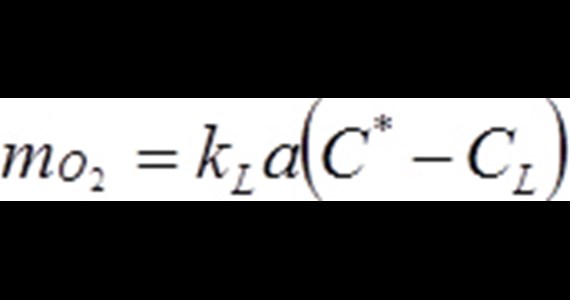

The rate of transport equation
where kL is the oxygen transport coefficient (cm/h), a is the gas-liquid interfacial area (cm2/cm3), kLa the volumetric oxygen transfer coefficient (h-1), C* is saturated dO2 concentration (mg/l) (approx. 8 mg/l at 25 deg. C and 1 atm.), CL is the actual dO2 concentration in the liquid (mg/l), and NO2 is the rate of oxygen transfer (mg O2/ l/h).